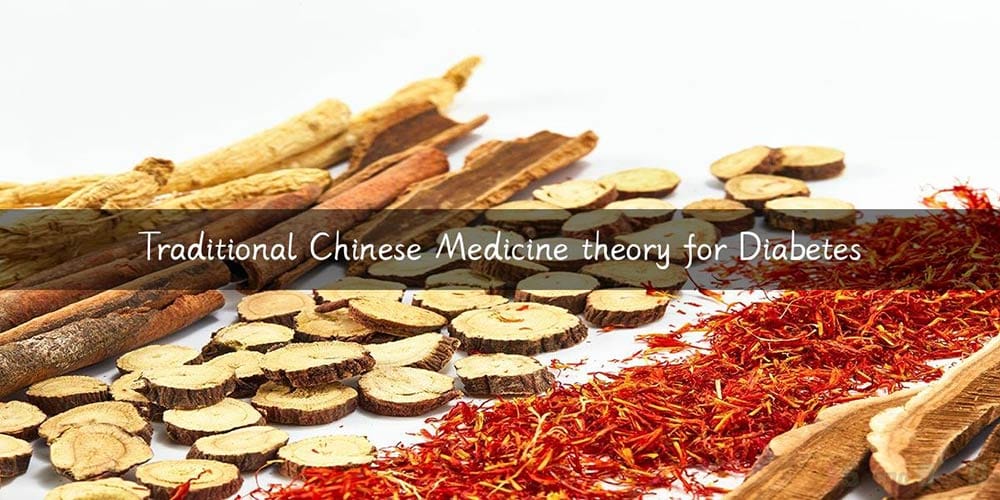
TCM Classification of Diabetes
- Upper Xiao (Shang Xiao, 上消): This type affects the lungs and is characterized by excessive thirst and dry mouth.
- Middle Xiao (Zhong Xiao, 中消): This type affects the stomach and spleen, leading to excessive hunger and significant weight loss.
- Lower Xiao (Xia Xiao, 下消): This type affects the kidneys and is marked by frequent urination and excessive drinking.
Etiology of Diabetes in TCM
- Dietary Factors: Overconsumption of rich, greasy, and sweet foods can impair the spleen and stomach, leading to the accumulation of dampness and heat, which obstructs the flow of Qi and blood.
- Emotional Factors: Prolonged emotional stress, such as anxiety, worry, and anger, can disrupt the balance of the liver, spleen, and kidneys, affecting their ability to regulate blood sugar levels.
- Constitutional Factors: A person's inherent constitution, including genetic predisposition and congenital deficiencies, can make them more susceptible to developing diabetes.
- Lifestyle Factors: Lack of physical activity, irregular eating habits, and excessive alcohol consumption can weaken the spleen and kidneys, contributing to the onset of diabetes.
Symptoms of Diabetes in TCM
- Upper Xiao (Lung Heat):
- Excessive thirst
- Dry mouth and throat
- Frequent drinking of water
- Red tongue with a thin, yellow coating
- Rapid pulse
- Middle Xiao (Stomach Heat):
- Excessive hunger
- Rapid weight loss despite increased food intake
- Dry stools or constipation
- Red tongue with a yellow, greasy coating
- Forceful, rapid pulse
- Lower Xiao (Kidney Deficiency):
- Frequent urination
- Excessive drinking
- Weakness and soreness in the lower back and knees
- Dizziness and blurred vision
- Pale tongue with a thin coating
- Deep, weak pulse
Treatment Methods in TCM
- Herbal Medicine:
- Upper Xiao: Herbs that clear heat and nourish Yin, such as Sheng Di Huang (Rehmannia), Tian Hua Fen (Trichosanthes Root), and Mai Men Dong (Ophiopogon).
- Middle Xiao: Herbs that clear stomach heat and generate fluids, such as Shi Gao (Gypsum), Zhi Mu (Anemarrhena), and Huang Lian (Coptis).
- Lower Xiao: Herbs that nourish kidney Yin and Yang, such as Shu Di Huang (Prepared Rehmannia), Shan Yao (Chinese Yam), and Fu Ling (Poria).
- Acupuncture:
- Acupuncture points are selected based on the type of diabetes and the affected organs. Common points include ST36 (Zusanli), SP6 (Sanyinjiao), KI3 (Taixi), and LI4 (Hegu).
- Acupuncture helps regulate blood sugar levels, improve insulin sensitivity, and alleviate symptoms such as thirst, hunger, and frequent urination.
- Dietary Therapy:
- A balanced diet that avoids excessive intake of sweet, greasy, and rich foods is recommended.
- Foods that nourish Yin and clear heat, such as bitter melon, lotus root, and mung beans, are beneficial.
- Regular meals and portion control are crucial to maintaining stable blood sugar levels.
- Lifestyle Modifications:
- Regular physical activity, such as Tai Chi and Qi Gong, helps improve Qi and blood circulation and enhances overall health.
- Stress management techniques, such
Find Your Focus While Working
As an alternative theory, (and because Latin scholars do this sort of thing) someone tracked down a 1914 Latin edition of De Finibus which challenges McClintock’s 15th century claims and suggests that the dawn of lorem ipsum was as recent as the 20th century. The 1914 Loeb Classical Library Edition ran out of room on page 34 for the Latin phrase “dolorem ipsum” (sorrow in itself). Thus, the truncated phrase leaves one page dangling with “do-”, while another begins with the now ubiquitous “lorem ipsum”.
Whether a medieval typesetter chose to garble a well-known (but non-Biblical—that would have been sacrilegious) text, or whether a quirk in the 1914 Loeb Edition inspired a graphic designer, it’s admittedly an odd way for Cicero to sail into the 21st century.