
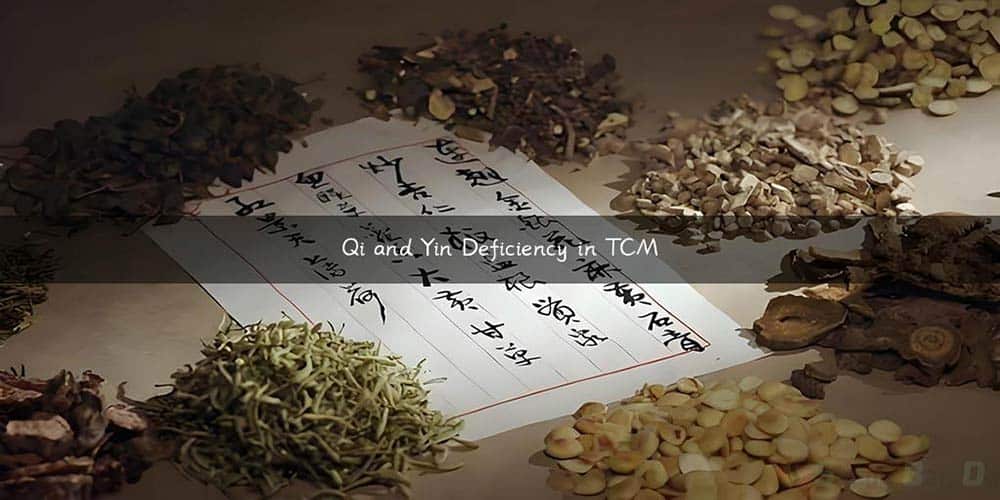

Traditional Chinese Medicine (TCM) is a holistic approach to health that has been practiced for thousands of years. It focuses on balancing the body’s vital energies, known as Qi, and maintaining harmony between the body’s various systems. One common condition treated in TCM is Qi and Yin deficiency. This article will explore the causes, symptoms, types, clinical manifestations, and treatment plans for Qi and Yin deficiency.
Causes of Qi and Yin Deficiency
Qi deficiency is often caused by factors such as overexertion, chronic illness, poor diet, and stress. When the body’s Qi is depleted, it can lead to a range of health issues. Yin deficiency, on the other hand, is typically caused by factors such as prolonged illness, excessive heat, and emotional stress. Yin represents the cooling, nourishing, and moistening aspects of the body, and its deficiency can lead to symptoms of dryness and heat.
Symptoms of Qi and Yin Deficiency
The symptoms of Qi and Yin deficiency can vary depending on the severity and duration of the condition. Common symptoms of Qi deficiency include:
- Fatigue and weakness
- Shortness of breath
- Spontaneous sweating
- Pale complexion
- Weak pulse
Symptoms of Yin deficiency may include:
- Dry mouth and throat
- Night sweats
- Insomnia
- Hot flashes
- Red tongue with little or no coating
- Thin and rapid pulse
Types of Qi and Yin Deficiency
In TCM, Qi and Yin deficiency can be further classified into different types based on the affected organs and systems. The most common types include:
- Heart Qi and Yin Deficiency: This type affects the heart and is characterized by palpitations, anxiety, insomnia, and a pale or red tongue.
- Lung Qi and Yin Deficiency: This type affects the lungs and is characterized by a chronic cough, shortness of breath, dry throat, and a weak voice.
- Spleen Qi and Yin Deficiency: This type affects the spleen and is characterized by poor appetite, bloating, loose stools, and fatigue.
- Kidney Qi and Yin Deficiency: This type affects the kidneys and is characterized by lower back pain, tinnitus, dizziness, and frequent urination.
Clinical Manifestations of Qi and Yin Deficiency
The clinical manifestations of Qi and Yin deficiency can vary depending on the affected organs and the severity of the condition. In general, patients with Qi and Yin deficiency may present with the following signs and symptoms:
- Generalized weakness and fatigue
- Dry skin and mucous membranes
- Thirst with a preference for cool drinks
- Low-grade fever or sensations of heat in the afternoon or evening
- Weight loss
- Emotional instability, such as anxiety or irritability
Treatment Plans for Qi and Yin Deficiency
The treatment of Qi and Yin deficiency in TCM involves a combination of herbal medicine, acupuncture, dietary therapy, and lifestyle modifications. The goal is to nourish Yin, tonify Qi, and restore balance to the body’s systems.
- Herbal Medicine: TCM practitioners often prescribe herbal formulas tailored to the patient’s specific condition. Common herbs used to treat Qi and Yin deficiency include:
- Ren Shen (Ginseng): Tonifies Qi and strengthens the body.
- Mai Men Dong (Ophiopogon Root): Nourishes Yin and moistens dryness.
- Bai He (Lily Bulb): Nourishes the heart and calms the mind.
- Huang Qi (Astragalus Root): Tonifies Qi and strengthens the immune system.
- Acupuncture: Acupuncture is used to stimulate specific points on the body to promote the flow of Qi and nourish Yin. Common acupuncture points for Qi and Yin deficiency include:
- Ren 4 (Guanyuan): Tonifies Qi and nourishes Yin.
- St 36 (Zusanli): Strengthens the spleen and stomach, tonifies Qi.
- Sp 6 (Sanyinjiao): Nourishes Yin and tonifies the spleen and kidneys.
- Kd 3 (Taixi): Nourishes kidney Yin and tonifies Qi.
- Dietary Therapy: Patients are advised to consume a balanced diet that includes foods that nourish Yin and tonify Qi. Recommended foods include:
- Qi-nourishing foods: Rice, oats, sweet potatoes, chicken, and fish.
- Yin-nourishing foods: Pears, watermelon, tofu, black sesame seeds, and spinach.
- Lifestyle Modifications: Patients are encouraged to adopt a healthy lifestyle that includes adequate rest, regular exercise, and stress management