
Medication Precautions
XiaoKe Pills is a combination of traditional Chinese and Western medicine. Since there is no sufficient clinical research data to confirm that this combination can reduce or eliminate the adverse reactions of the chemical drugs contained within or other matters that need attention, the relevant content related to the chemical drugs is listed below to remind healthcare providers and patients to pay attention when using this product.
- The dosage of this product should be gradually increased from 5 pills per dose based on the condition. The maximum dosage per dose should not exceed 10 pills, and the daily dosage should not exceed 30 pills. Once satisfactory efficacy is achieved, the dosage per dose or the frequency of administration can be gradually reduced to a maintenance dose of twice daily. When taken twice daily, it should be administered once before breakfast and once before lunch, and avoid taking it before dinner. Please control the dosage under the guidance of a doctor.
- Diabetic patients over 65 years old have poor tolerance to hypoglycemia. Therefore, special attention should be paid to avoid hypoglycemic reactions when administering this medication to such patients. Their blood glucose control standards are slightly broader than those of the general population, with fasting blood glucose <7.8 mmol/L (140 mg/dl) and 2-hour postprandial blood glucose <11.1 mmol/L (200 mg/dl).
- This product should not be used in combination with other sulfonamide drugs.
- The following drugs, when used in combination with this product, can increase the occurrence of hypoglycemia:
(1) Inhibiting the excretion of sulfonylurea drugs through urine, such as probenecid and allopurinol used for treating gout;
(2) Delaying the metabolism of sulfonylurea drugs, such as alcohol, H2 receptor blockers (cimetidine, ranitidine), chloramphenicol, antifungal drug miconazole, and anticoagulants. Taking sulfonylurea drugs with alcohol can cause abdominal pain, nausea, vomiting, headache, and facial flushing (especially when using chlorpropamide). When used with coumarin anticoagulants, the plasma concentration of both drugs initially increases and then decreases, so the dosage of both drugs should be adjusted accordingly;
(3) Promoting the dissociation of sulfonylurea drugs from plasma albumin binding, such as salicylates and fibrate lipid-lowering drugs;
(4) Drugs that have hypoglycemic effects themselves: alcohol, salicylates, guanethidine, monoamine oxidase inhibitors, quinidine;
(5) Combination with other hypoglycemic drugs: insulin, metformin, acarbose, insulin sensitizers;
(6) Beta-adrenergic blockers can interfere with the body's glucose-raising response during hypoglycemia, hinder hepatic glycogenolysis, and also mask the warning symptoms of hypoglycemia. - The following drugs, when used in combination with this product, can increase the occurrence of hyperglycemia:
(1) Glucocorticoids, estrogens, thiazide diuretics, phenytoin sodium, rifampin;
(2) Beta-adrenergic blockers can antagonize the insulin-secreting effect of sulfonylurea drugs, thus also causing hyperglycemia. - During medication, regular monitoring of blood glucose, urine glucose, urine ketone bodies, urine protein, liver and kidney function, and blood counts should be conducted, along with ophthalmological examinations.
- Use with caution in individuals who are physically weak, have high fever, nausea and vomiting, adrenal cortex hypofunction, or anterior pituitary hypofunction.
- When symptoms of hypoglycemia occur, the following measures can be taken:
(1) Supplementing glucose: Mild cases should immediately take oral glucose; if glucose is not available, sweet fruit juice or sugar water can be taken orally. Severe cases should receive intravenous glucose. Monitor until the patient's consciousness is restored.
(2) Glucagon therapy: Subcutaneous, intramuscular, or intravenous injection of glucagon. Due to its short duration of action and the possibility of recurrent hypoglycemia, glucose supplementation or food intake is still required after injection, and continued observation is needed to ensure the patient is completely out of the danger period.
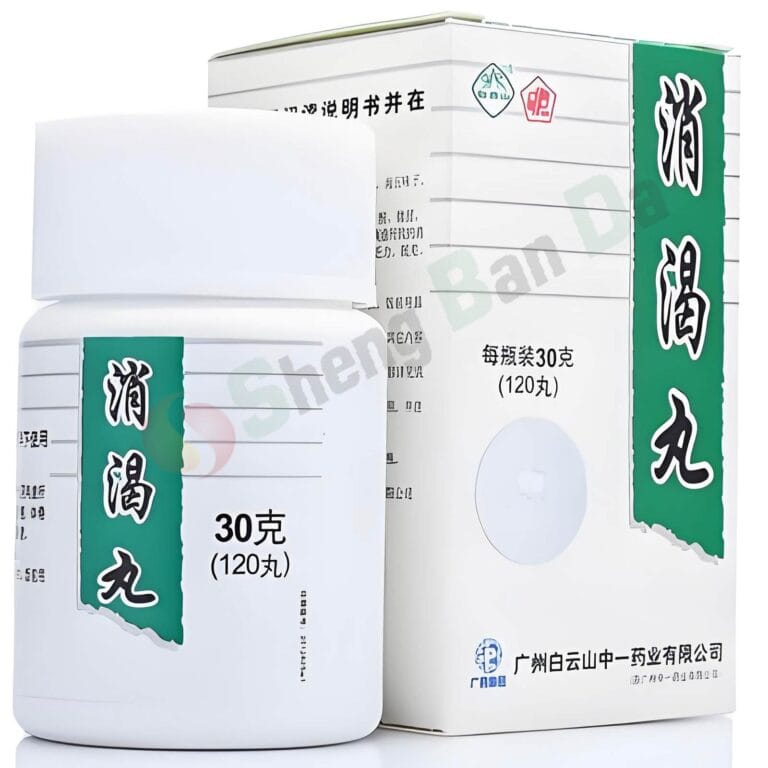
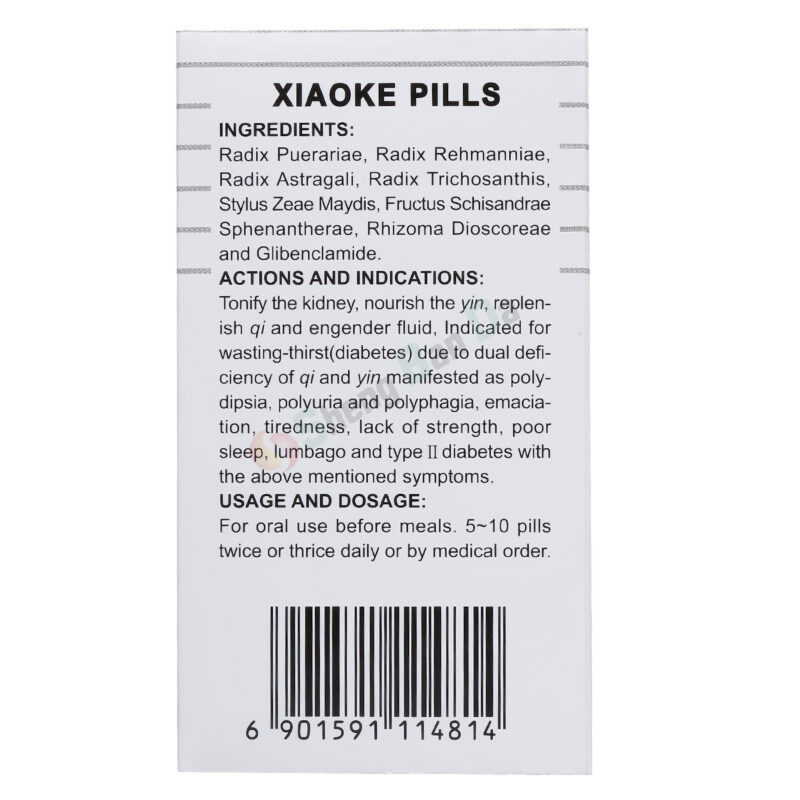
XiaoKe Pills
$7.00 – $130.00Price range: $7.00 through $130.00
Medication Contraindications
- Pregnant and breastfeeding women should not take this product.
- This product is contraindicated in patients with type 1 diabetes, type 2 diabetes with ketoacidosis, coma, severe burns, infections, severe trauma, or major surgery.
- This product is contraindicated in patients with liver or kidney dysfunction, those allergic to sulfonamide drugs, and those with leukopenia.